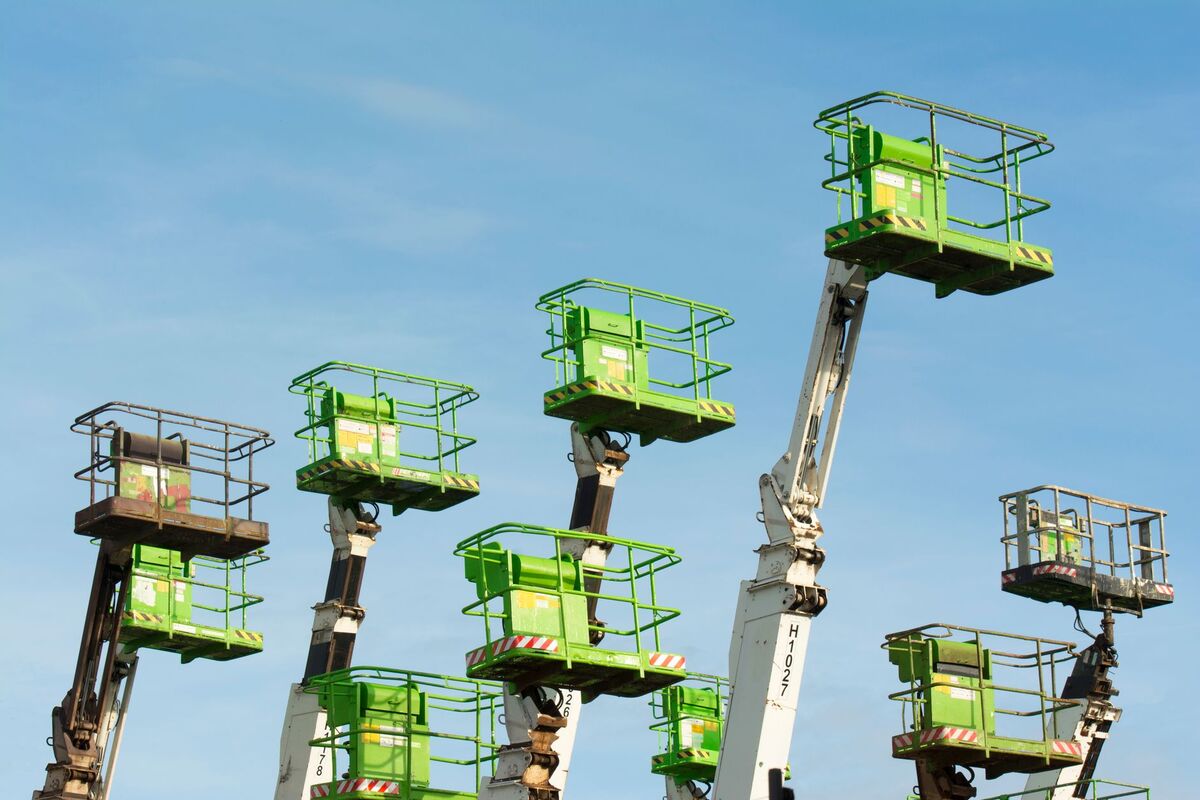
Short answer: yes. A scissor lift or boom lift working on a Texas jobsite is expected to get a full inspection at least once a year, plus a lighter one every few months, plus a walkaround before every shift. Texas does not add its own lift inspection schedule on top of that. The requirement comes from the federal OSHA rules that cover private job sites here and from the industry standard every major lift maker writes into its manuals.
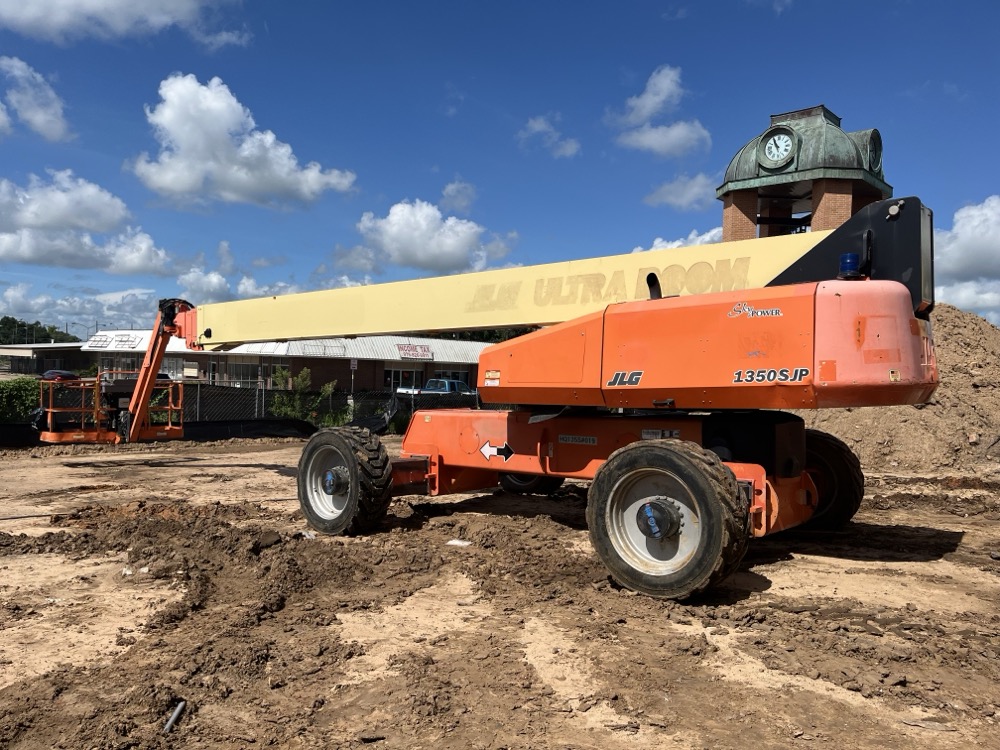
We do annual inspections on JLG, Genie and SkyJack lifts all over Texas, usually right where the unit is parked. This is how the schedule works and what we look at.
Where the requirement comes from
Two sources do the work.
OSHA. The federal aerial lift rules for construction (29 CFR 1926.453) and general industry point back to the manufacturer. That means you run and maintain the lift the way the people who built it say to. Texas has no state OSHA plan for private employers, so federal OSHA is the rulebook on a private Texas job.
The ANSI A92 standards. These are the industry standards for mobile elevating work platforms, the newer name for scissor lifts and boom lifts. The current safe-use standard, ANSI/SAIA A92.22, lays out three levels of inspection. The JLG, Genie and SkyJack operator and service manuals call for the same three.
So when someone asks “is the annual inspection the law or just a recommendation,” the honest answer is that it is written into the manufacturer’s instructions, and the OSHA rules tell you to follow those instructions.
The three inspections and how often they come due
Before every shift
The operator does this one. It is the walkaround: fluid levels, tires, guardrails and decals, the emergency lowering, the controls, and any leaks or damage. It takes a few minutes and it is the one most likely to catch a problem before it strands a crew.
Frequent inspection: every 3 months or 150 hours
Whichever comes first. A qualified mechanic does this one, and it goes deeper than the walkaround. A lift that has been out of service for more than three months also needs one before it goes back to work.
Annual inspection: no more than 13 months apart
This is the big one. A qualified mechanic goes through the whole machine against the manufacturer’s checklist for that model. The 13-month window gives a little room to schedule, but the clock runs from the date of the last annual, not from the start of the calendar year.
What an annual inspection covers
Every model has its own checklist, but on a typical scissor or boom lift we are going through:
- Structure. Welds, pins, pivot points, the scissor arms or boom sections, and the platform and guardrails, looking for cracks and bent or worn parts.
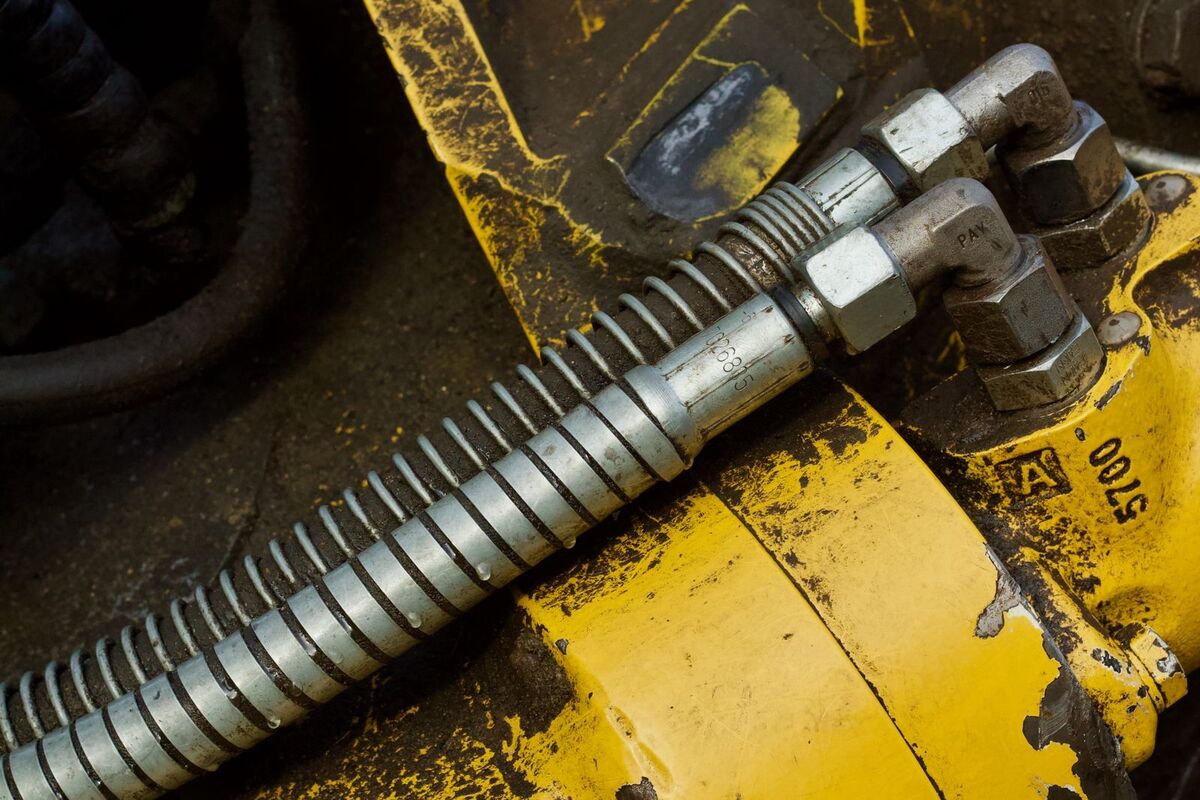
- Hydraulics. Cylinders, hoses, fittings, the pump and the valves, looking for leaks and drift.
- Electrical. Control boxes, wiring harnesses, switches, the battery and charger on electric units.
- Drive and brakes. Drive motors, axles, brakes and the steering.
- Safety systems. Tilt alarm, emergency stop, emergency lowering, overload sensing on units that have it, and the pothole protection on scissors.
- Decals and manuals. The capacity and warning decals have to be readable, and the operator’s manual is supposed to ride with the machine.
When something fails, it gets repaired before the lift goes back to work. Because we do the repairs and source OEM parts for JLG, Genie and SkyJack ourselves, the inspection and the fix come from the same shop.
Who is allowed to do it
The frequent and annual inspections are supposed to be done by a qualified person, meaning a mechanic who knows that make and model. Our technicians are factory-trained, we are an authorized JLG service provider, and we do certified repair work on Genie and SkyJack equipment.
Keep the paperwork
The standard calls for written records of the frequent and annual inspections, and they get kept with the lift’s history. Every annual we do comes with a detailed report for your records. If an inspector or a general contractor asks when the lift was last inspected, that report is the answer.
If the inspection is overdue
If the last annual on a unit was more than 13 months ago, the machine is out of compliance with its own manual until it is inspected again. On a jobsite, that can mean the lift gets tagged out until the paperwork is current, and the crew waits. The fix is the same inspection you would have done on time.
Things to check on your own lifts this week
- Find the date of the last annual inspection for each unit. It is usually on a decal or in the service records.
- Count forward 13 months. Anything due in the next 60 days is worth scheduling now.
- Check the hour meter against the last frequent inspection. 150 hours goes quickly on a busy job.
- Make sure the operator’s manual is in the storage box on the platform.
Getting an annual inspection on the schedule
Tell us the make, model and where the lift is sitting, and we will set a time to come out. You can request service online and we get back to you within one business day, or call us at (832) 302-0792.
If a lift fails the walkaround because of a leak, our article on what a hydraulic leak on a boom lift usually means covers what to check first. And if a unit is already down, here is what to have ready when you call for on-site repair.
This article describes how the inspection schedule generally works. Your lift’s own manual and the current ANSI and OSHA text are the final word for your model.